






What Is a Baguette Diamond and Why It's So Elegant?
Elegance in Jewelry Design
Baguette diamonds are a unique and elegant choice in the world of jewelry. Their distinct shape and cut set them apart from other diamond shapes. These diamonds are known for their elongated, rectangular form and step-cut facets. This design emphasizes clarity and clean lines over brilliance.

The name "baguette" comes from the French word for a long, narrow loaf of bread. This reflects the diamond's slender and sophisticated appearance. Baguette diamonds are often used as accent stones in diamond rings and other jewelry pieces.
Their understated elegance makes them a popular choice for those seeking a minimalist look. Whether in engagement rings or luxury watches, baguette diamonds add a touch of sophistication. Discover why these diamonds remain a timeless favorite in jewelry design.
What Is a Baguette Diamond?
Baguette diamonds are a specific type of diamond known for their elongated and rectangular shape. The cut is linear, resembling narrow bread loaves, hence the name. These diamonds have a distinct architectural look that sets them apart.
Unlike many other diamond shapes, baguette diamonds typically feature 14 facets. This reduced number highlights clarity over sparkle. The step-cut facets create a "hall-of-mirrors" effect that emphasizes the stone's purity and color.
Key Characteristics of Baguette Diamonds:
-
Elongated, rectangular shape
-
14 facets with step cuts
-
Name derived from the French "baguette"
Baguette diamonds often play a supporting role in jewelry designs. They are usually used as accents, enhancing the brilliance of center stones in diamond rings. Despite their understated role, they bring a unique elegance to pieces.
Their versatility makes them a popular choice in a variety of settings. Whether channel or bezel, baguette diamonds adapt seamlessly, enhancing the design without overshadowing other elements. This adaptability makes them a prized choice in both classic and contemporary styles.
The History and Origin of the Baguette Cut
The baguette cut emerged during the vibrant Art Deco period, a time known for its bold designs and geometric shapes. It was in the early 20th century that the baguette cut began to capture the attention of jewelry makers and enthusiasts alike.
This cut takes its name from the French word for a long, narrow loaf of bread, emphasizing its slender, elongated form. Its popularity skyrocketed as Art Deco jewelry became synonymous with elegance and sophistication. The clean lines and symmetry of the baguette cut resonated with the architectural styles of the era.
Today, baguette diamonds are celebrated for their timeless elegance. They continue to find favor in both vintage and modern jewelry pieces, proving their enduring charm and appeal.
Unique Features of Baguette Diamonds
Baguette diamonds are distinctive, primarily due to their elongated rectangular shape and step-cut faceting. This unique shape is often accentuated with either straight or tapered sides, enhancing versatility in design.
Typically, baguette diamonds have 14 facets. This is significantly fewer compared to more commonly known cuts like the round brilliant. As a result, baguette diamonds emphasize clarity over sparkle, creating a streamlined and sophisticated appearance.
Key Characteristics of Baguette Diamonds:
-
Shape: Rectangular, with straight or tapered sides
-
Facets: 14-step-cut facets
-
Clarity: Emphasizes fewer inclusions
-
Versatility: Complements various jewelry styles
The refined lines and minimalistic facet structure make these diamonds popular in Art Deco and vintage-inspired designs. They create a "hall-of-mirrors" effect, bringing an understated elegance to any piece.
Their charm lies in their ability to enhance a design without overpowering it. This understated beauty is why many jewelry lovers are drawn to baguette diamonds for their timeless appeal.
Baguette Diamonds vs. Other Diamond Shapes
When comparing baguette diamonds to other diamond shapes, their distinct characteristics stand out. While many diamonds aim for maximum sparkle, baguettes focus on clean lines and clarity.
Other popular diamond shapes, like round or princess cuts, boast multiple facets. These shapes enhance the fire and scintillation of the diamond. Baguette diamonds, however, offer a subtler luster, making them ideal for sophisticated designs.
Differences Between Baguette and Other Diamond Shapes:
-
Facets: Baguettes have fewer facets than round or princess cuts.
-
Sparkle: Prioritize clarity over brilliance.
-
Design Use: Often serve as accents in jewelry.
The geometric appeal of baguette diamonds complements modern and vintage styles alike. Their versatility makes them a favored choice for those seeking unique pieces.
Why Are Baguette Diamonds So Elegant?
The elegance of baguette diamonds lies in their refined simplicity. Their elongated, rectangular shape creates a sleek and minimalist appearance. This silhouette gives them a sophisticated charm that enhances any piece of jewelry.
Unlike other cuts, baguette diamonds draw attention to their clarity. Their step-cut facets emphasize clarity over brilliance, making them appear pure and understated. This quality can add a touch of subtle luxury to any ensemble.
What Makes Baguette Diamonds Elegant:
-
Clean Lines: Offer a sleek, modern look.
-
Minimalist Design: Complements complex center stones beautifully.
-
Versatility: Fits seamlessly with various settings.
Their ability to balance complexity and simplicity makes baguette diamonds a timeless choice for any elegant jewelry collection.
Popular Uses of Baguette Diamonds in Jewelry
Baguette diamonds find their place in many jewelry pieces. Their versatility ensures they fit seamlessly into various designs, from classic to contemporary.
They are often utilized as accent stones in diamond rings. Their clean lines complement more intricate center stones without overwhelming the design. This makes them a favorite for engagement and cocktail rings, including styles like the Dilara rose gold baguette diamond ring.
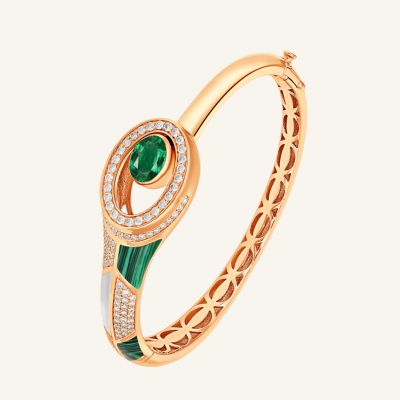
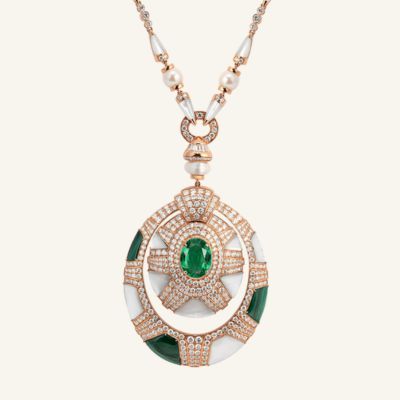
Beyond rings, baguette diamonds are frequently seen in bracelets and necklaces. Their geometric shape adds a modern edge to these jewelry types. For example, a white gold diamond necklace with multi-shape of natural diamond can pair beautifully with other baguette-accented pieces, while a rose gold diamond bangle with baguette diamonds adds a clean, architectural line to the wrist.
Common Jewelry Pieces Featuring Baguette Diamonds:
-
Eternity Bands: Creates a continuous shimmer.
-
Luxury Watches: Adds precision and elegance.
-
Halo Settings: Enhances central gemstones' presence.
Their timeless appeal ensures baguette diamonds remain a staple in jewelry design.
Pros and Cons of Baguette Diamonds
Baguette diamonds boast several advantages. Their simple elegance makes them suitable for minimalist designs. They are also less costly per carat than many other cuts.
However, there are some downsides. Their fewer facets mean less sparkle compared to brilliant cuts. Additionally, their shape can make inclusions more noticeable.
Key Pros and Cons:
-
Pros: Simple elegance, cost-effective.
-
Cons: Less brilliance, visible inclusions.
How to Choose and Care for Baguette Diamond Jewelry
When selecting baguette diamond jewelry, focus on clarity. Due to their step cuts, inclusions are more visible. It's vital to choose a diamond with minimal imperfections.
Proper care extends the life of your jewelry. Regular cleaning keeps stones sparkling. Avoid exposing the jewelry to harsh chemicals to protect its setting.
Tips for Choosing and Caring:
-
Prioritize clarity in selection.
-
Clean regularly for lasting shine.
-
Avoid chemicals for protection.
Conclusion: The Timeless Appeal of Baguette Diamonds
Baguette diamonds offer both elegance and versatility. They enhance any jewelry piece with their classic charm. Perfect for those who appreciate refined beauty, baguette diamonds remain a popular choice in both modern and vintage-inspired designs.