






Can't Find the Right Jewellery Shop Near You?

You searched for a jewellery shop near me, opened the map results, and found the same four names arranged around the same mall. You walked through, looked at the same solitaire settings displayed under the same white lighting, and left with nothing. That experience is not a geography problem. It's a product problem. The shops that dominate local search aren't there because they offer the best jewellery. They're there because they have the largest retail footprint and the most aggressively maintained Google Business listings.
What most accessible shops stock is designed for volume and fast turnover, not for lasting significance or personal expression. For a buyer who wants a piece that actually means something, that distinction matters enormously. The good news is that finding the right jewellery shop near me no longer means settling for whatever the mall directory offers. A house like Soit Belle, born in Dubai and built on up to 240 hours of artisan craft per piece, ships internationally, which means world-class artisan jewellery is genuinely within reach. This article walks you through exactly what separates a fine jewellery brand from a retail chain, so you can evaluate any option with confidence.
Why most jewellery shops near you look and feel the same
The chain store model and what it costs you
The dominant names in mall jewellery, Kay, Zales, Jared, and REEDS, compete on volume and foot traffic, not design originality. Their inventory tends to follow standardised assortments replicated across hundreds of locations, a common industry practice among large retail chains. The result is that you see the same prong-set solitaires and generic gold chains whether you're shopping in Myrtle Beach, Chicago, or Los Angeles. For a buyer who wants jewellery that reflects a milestone moment or a personal identity, this uniformity is the central problem, not a minor inconvenience.
Buyer feedback for these retailers surfaces the same themes repeatedly: pieces that don't hold up after a year of wear, pricing that isn't transparent until the moment of sale, and repair or warranty issues that require repeated visits with no clear resolution. One recurring theme is that buyers feel they overpaid relative to what they received. That gap between price and value is a predictable outcome when a brand's priority is throughput rather than craft. For examples of widely reported retailer complaints and reviews, see detailed consumer feedback on Kay Jewelers and broader lessons from customer reviews that show where retailers commonly go wrong Kay Jewelers reviews and lessons from customer reviews.
What "fine jewellery" actually means in practice
Fine jewellery refers specifically to pieces made with precious metals and natural gemstones, finished by skilled hands. That's a meaningfully different category from fashion jewellery or bridge jewellery, which some chain retailers sell under the same label without making the distinction clear. Not all gold is equal. Not every gemstone accent is a natural stone. A buyer who doesn't know this distinction is easy to mislead, and the marketing language used by some mass retailers can blur the line rather than clarify it.
The standard worth holding any jeweller to is this: precious metal with verifiable purity, natural gemstones with documentation, and a creation process that reflects actual skill. A concrete way to check is to ask for hallmark stamps on the metal and an independent gemological report for any coloured stones, a reputable brand treats these as standard, not as concessions to a sceptical buyer. If a brand can't confirm all three, the price tag is just a number.
Craftsmanship: the quality signal most buyers overlook
What handcrafted fine jewellery actually involves
Atelier-crafted pieces differ from factory-produced ones at every stage of production. Hand-set stones, prong work executed by a skilled bench artisan, no casting shortcuts, and a finish that holds its integrity over decades of wear. A legitimate fine jewellery house can describe its creation process in specific detail because there's a process worth describing. If a brand's answer to "how is this made?" is vague or deflective, that's a red flag worth taking seriously before you spend thousands. For an accessible guide to how the jewellery manufacturing process works, this overview is useful how the jewelry manufacturing process works.
The practical difference in quality shows up over time. Handcrafted pieces generally feature thicker metal structures and more carefully seated stones than mass-produced alternatives, characteristics that translate to greater durability under daily wear. Mass-produced rings and necklaces are frequently thinner, mechanically assembled, and more likely to bend, tarnish, or loosen. The durability gap between the two categories tends to be real and measurable, showing up in both daily wear and long-term resale value. Compare more perspectives on handcrafted jewellery vs mass-produced and why the distinction matters handcrafted vs mass-produced.
Why production time is a legitimate quality benchmark
Production time is a concrete signal, not a marketing flourish, it tells you how many decisions were made by skilled hands before the piece reached you. A piece that takes up to 240 hours to create reflects precision at every stage: metal forming, stone selection, setting, and final polish. Each of those stages involves human judgment, not just mechanical repetition. Compare that to a mass-produced ring completed in hours on an assembly line, and the difference in accountability is stark.
Ask any jeweller how long their creation process takes, then watch how they respond. A confident, specific answer reflects a brand that understands its own craft. A vague or dismissive one tells you the process is not something they're proud to discuss. For additional context, there are helpful industry videos that illustrate benchwork and finishing techniques in practice watch an example of artisan benchwork.
How to find a jewellery shop near me: gemstone authenticity and what to ask upfront
Natural, treated, and synthetic stones: understanding the difference
There are three distinct categories of gemstones, and the difference between them matters significantly for investment-grade pieces. Natural, untreated gemstones are rarer, hold their value better, and carry a provenance story that adds meaning over time. Treated stones have been heat-enhanced or fracture-filled to improve their appearance, a common practice that reduces rarity and long-term value. Synthetic stones are lab-created and, while visually similar to natural specimens, carry none of the scarcity or intrinsic value of the real thing.
Some retailers sell treated or synthetic stones without making the distinction obvious to buyers. A customer spending several thousand dollars deserves to know exactly what they're purchasing, and a brand that doesn't volunteer this information upfront is not a brand to trust with a significant purchase. The gemstones in Soit Belle's collections, including emeralds, rubies, rhodolite, turquoise, and natural pearls, are natural stones selected for quality and character. That's the standard fine jewellery should be held to.
Certifications and documentation worth asking for
Before committing to any significant jewellery purchase, request the paperwork. For diamonds, a GIA grading report is the recognised standard. For coloured gemstones such as emeralds, rubies, and rhodolite, an independent gemological report documents the stone's identity, natural origin, and any treatments applied. For the metal itself, hallmark stamps confirm purity. A trustworthy jewellery brand makes this documentation standard practice, not a special request reserved for sceptical buyers. Learn more about how GIA grades diamonds and why those reports matter.
If a shop can't provide documentation for a piece that costs thousands, the price tag has nothing behind it. This checklist applies whether you're in a local boutique, an independent studio, or shopping with an international artisan house online. The documents don't change based on geography, and the expectation of transparency doesn't either. If you're buying online, follow best practices and be aware of common pitfalls by reading guidance on things to look out for when buying jewellery online.
Why curated collections matter more than a large inventory
What story-driven design reveals about a brand's creative depth
Genuine fine jewellery brands build collections around a concept or narrative, not just a metal and stone pairing. A collection inspired by the ocean tells you that the designer thought carefully about movement, texture, and emotional resonance before a single piece was cast. One inspired by celestial beauty or architectural precision brings a point of view that mass retailers simply don't have the creative structure to develop. That creative depth shows up in every detail of the finished piece.
Soit Belle's collections illustrate how this works in practice. The Étoile collection is the clearest example: it draws from celestial geometry, with forms that echo light and constellation structure in every curve. The other collections, Bahr, rooted in the rhythm and depth of the Gulf; Artistry, built around the discipline of fine craft itself; and D'Oprah, which brings operatic grandeur to wearable jewellery, each give the buyer a context that a generic solitaire simply cannot replicate. Context adds meaning, and meaning is what separates a piece you keep for a lifetime from one you replace.
How a defined collection protects your investment and your identity
A piece from a thoughtfully curated collection holds its identity over time because it was designed with intention. It ages with purpose rather than slipping into irrelevance as trends shift. That design integrity also differentiates you as the wearer. Owning a piece from the Artistry or Bahr collection is not the same as wearing a ring available at six mall locations across your city. The exclusivity isn't just about price. It's about the thinking that went into the work.
For buyers who want jewellery that reflects who they are, not just what they spent, the collection concept is fundamental. It's the difference between buying an object and acquiring something that carries a story worth telling.
Finding the best jewellery shop near me: service, trust signals, and why location no longer limits your choices
What to evaluate before committing to any jewellery brand
The practical trust signals worth evaluating are consistent across retail formats. Look for a clear, written return and exchange policy. Verify that warranty terms for repairs and resizing are stated upfront, not buried in fine print. Check that pricing is transparent, with no hidden charges for custom work or international orders. Read verified customer reviews across multiple platforms rather than relying on the brand's own testimonials. Pay attention to how responsive the brand is before the sale, pre-sale communication tells you exactly what post-sale support will look like. For practical strategies about local visibility and reputation management, resources on dominating Google Maps for jewellers and improving jewelry store visibility on Google are useful further reading.
The most common complaints about local jewellery retailers, repair delays and opaque pricing, compound when the workmanship itself fails. These are preventable frustrations when you know what to check in advance. A brand that checks all these boxes earns your trust regardless of where it's physically located. Geography is not a substitute for accountability, and proximity is not a substitute for quality. For additional perspective on why customer trust matters and how stores can build it, see this piece on why having customer trust is critical for jewelry stores.
World-class artisan jewellery is now a click away
International shipping has changed the fine jewellery market in a meaningful and permanent way. Soit Belle, based in Dubai and creating each piece over hundreds of artisan hours, ships its collections internationally. A shopper in New York or London now has the same access to handcrafted, natural-gemstone fine jewellery as a buyer standing in Dubai. When you're searching for a diamond jewellery shop near me or a fine jewellery boutique near me and the local options keep falling short, that absence of quality nearby is not a reason to settle, it's a reason to look further. For tips on how local shops can effectively compete in an online-dominated market, read this industry guide how local jewelry shops can compete online.
The service experience travels with the jewellery. Complimentary gift wrapping, curated gifting options, and the kind of personalised attention a boutique client would expect are all part of what Soit Belle delivers internationally. If packaging and presentation matter to you, see an example of curated luxury packaging and gifting options BaileyBox. The geographic barrier that once separated buyers from exceptional jewellery houses simply doesn't exist in the same way anymore.
The right jewellery shop near me: now you know what to look for
The criteria are clear: craftsmanship transparency, natural and certified gemstones, collections built around a genuine narrative, and a service experience that holds up after the sale. A jewellery shop near me is a useful starting point, but it shouldn't be the final word. The best fine jewellery brands earn trust through how they make their pieces and how they treat their buyers, not through how close they are to your nearest shopping mall.
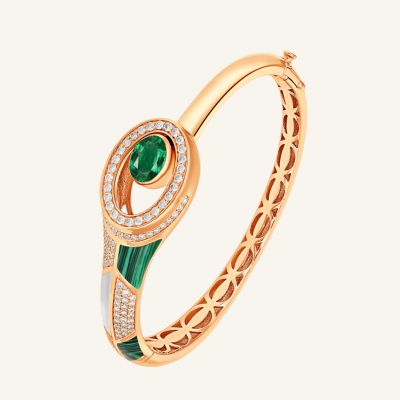
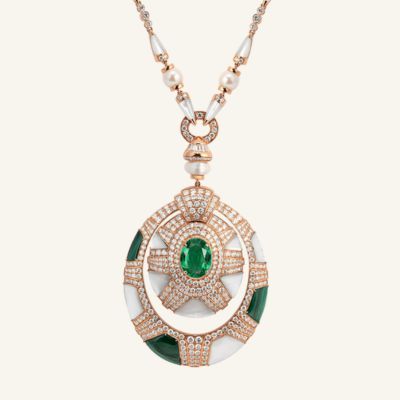
For readers who want a place to start, Soit Belle offers exactly the combination this article outlines. Each piece is built over up to 240 artisan hours, set with natural gemstones, emeralds, rubies, rhodolite, turquoise, and pearls, and delivered internationally with the care of a true luxury house. See two signature examples: the Luxury White Gold Citrine Diamond Pendant | Fine Jewellery Dubai, soitbelle.ae and the Luxury White Gold Citrine Diamond Earrings | Fine Jewellery Dubai, soitbelle.ae. Each collection tells a story worth owning. Each piece is built to last beyond the occasion that prompted the purchase.
The search doesn't have to end at the mall directory. It can end with Soit Belle. If you're exploring online options, use these practical checklists and tips on finding a trustworthy online jeweller 11 tips for finding an online jewelry store you can trust, and review guidance on handling customer complaints responsibly tips for responding to customer complaints.
Finally, if you want to dive deeper into the practical lessons retailers learn from reviews or the role of online reputation in purchasing decisions, these resources are worthwhile: where jewelry retailers go wrong, and a short industry discussion on reputation and review management video discussion on customer feedback. For further tips on local search and map visibility tactics, explore practical advice on dominating Google Maps and local listings Google Map domination for jewelers and jewelry stores visibility on Google.
The search doesn't have to end at the mall directory. It can end with Soit Belle.